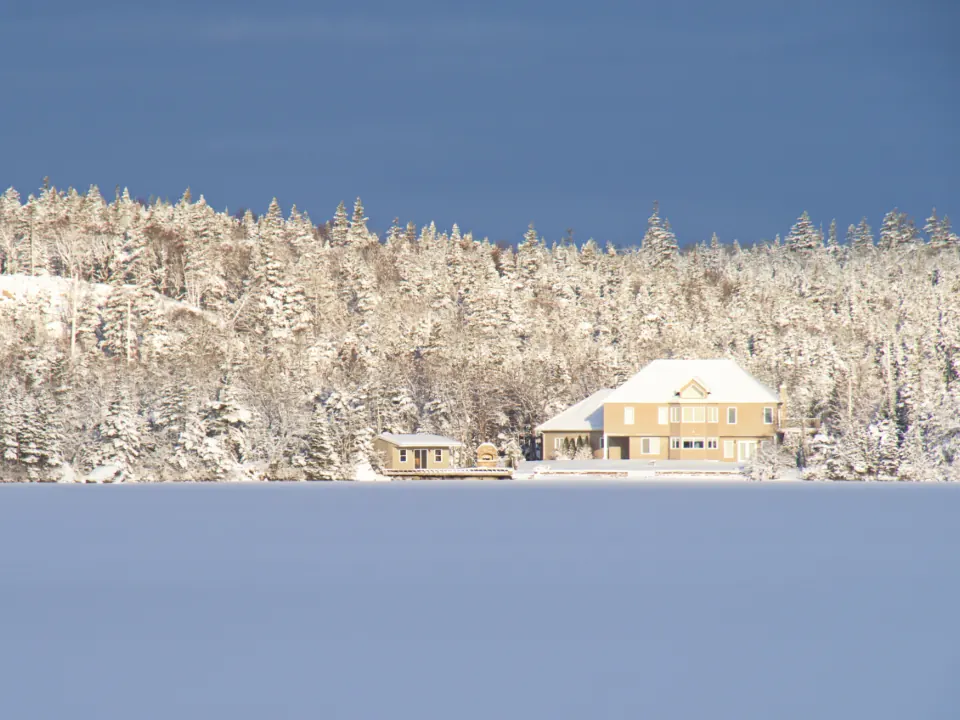
Long Connecticut winters with repeated snow and freeze-thaw cycles make ice dams a regular source of claims, especially in older homes with limited attic insulation and ventilation.
How an ice dam forms
Heat escaping from the living space warms the roof deck and melts snow. The water runs down to the cold eaves, refreezes, and builds a ridge of ice. More meltwater pools behind it and works under the shingles.
What is usually covered
Many homeowners policies cover sudden and accidental interior damage caused by water from an ice dam: stained and soaked ceilings, wet insulation, damaged walls and floors. Collapse caused by the weight of ice and snow is also commonly covered.
What often isn’t
Fixing the underlying cause, such as adding insulation or improving ventilation, is generally considered maintenance. Carriers may also point to wear and tear on an old roof. Removing the ice itself may or may not be reimbursed as mitigation.
Document the whole path
- Photograph the ice at the eaves before it is removed.
- Photograph every interior stain, including closets and inside cabinets on exterior walls.
- Have the attic insulation checked. Wet insulation loses its value and can lead to mold.
- Note dates and weather; the winter of 2011 and the February 2013 blizzard are examples of seasons with widespread claims.
Where disputes come from
The most common gaps are in scope: insulation left out, ceilings patched instead of replaced, and finishes that can’t be matched. Those are amount-of-loss questions that appraisal can resolve.